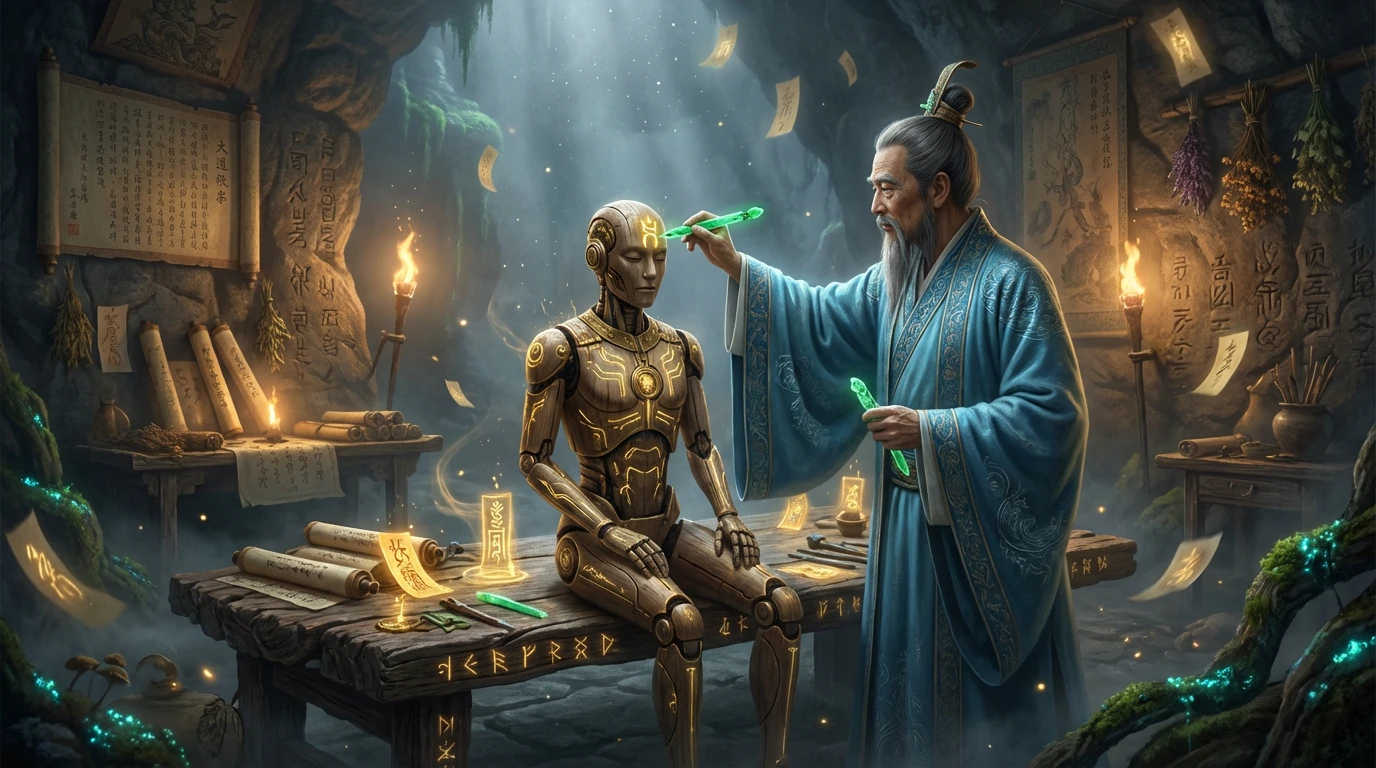
In the vast and boundless world of Xuanhuan Novels, where cultivators defy the heavens and sword immortals cleave mountains, there exists a path less traveled but equally terrifying: the Dao of Puppetry. While many protagonists focus on strengthening their own bodies or refining their Qi, Puppet Masters choose a different route—they build their own armies.
For readers at Daoismer, understanding the intricacies of this profession can unlock a deeper appreciation for some of the most complex antagonists and unique protagonists in the genre. Today, we strip away the mystical veneer and dive deep into the mechanics of the Puppet Master.
1. The Genesis of a Puppet: More Than Just Wood and Stone
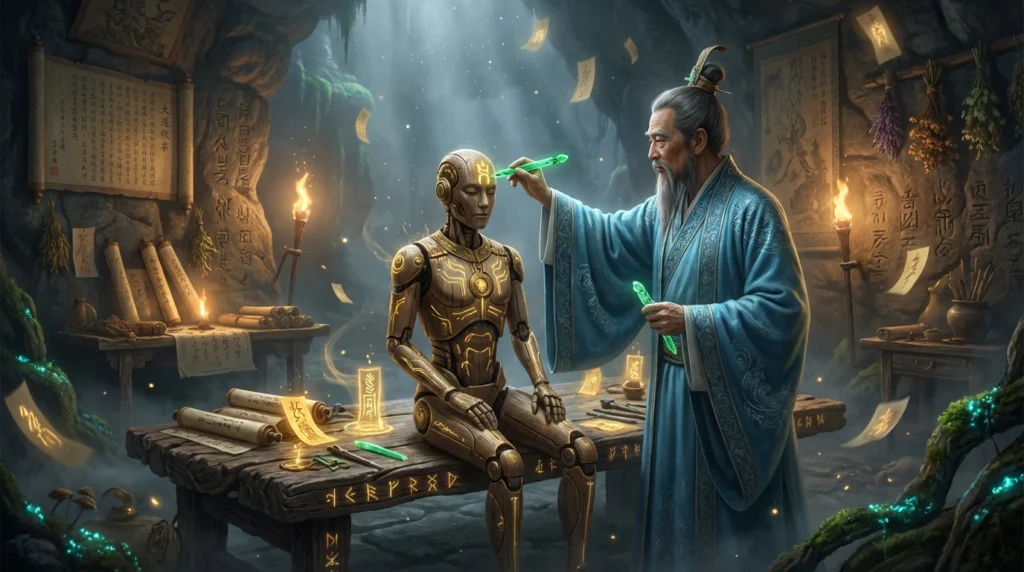
To the uninitiated, a puppet might seem like a mere golem—a mindless construct of clay or metal. However, in high-level cultivation novels, the creation of a Spirit Puppet is an art form that rivals alchemy and formation setting. It is not simply about assembling parts; it is about breathing life into the lifeless.
1.1 The Hunt for Divine Materials
A puppet is only as strong as its foundation. A low-tier cultivator might settle for Ironwood or Cold Steel, creating a construct that can withstand mortal weapons but crumbles under a cultivator’s strike. A true master, however, seeks exotic treasures.
- Celestial Spirit Wood: Often used for the skeletal structure to channel Qi efficiently.
- Deep Sea Cold Iron: Used for armor plating to resist fire-element techniques.
- Beast Cores: The engine of the puppet. A high-ranking demonic beast core can provide a puppet with a near-infinite supply of energy, allowing it to cast spells independently of its master.
The gathering of these materials often forms a significant story arc. Just as a swordsman seeks a legendary blade, a puppeteer might travel to the ends of the earth to find a piece of Soul-Nourishing Jade to serve as the puppet’s “brain.”
1.2 Soul Forging and Spirit Infusion
This is where the path of puppetry often veers into the demonic or the forbidden. A physical shell is useless without a consciousness to drive it.
In orthodox sects, Soul Forging involves splitting a sliver of the master’s own divine sense to animate the puppet. This makes the puppet an extension of the master’s will, ensuring perfect loyalty.
However, in darker Xuanhuan Novels, antagonists often use the trapped souls of slain enemies or powerful beasts. By sealing a resentful spirit into the puppet, the construct gains combat instincts and ferocity that an artificial intelligence cannot mimic. This method, often referred to as “Living Puppetry,” is a taboo that usually marks the practitioner as a villain.
2. The Invisible Strings: Mechanisms of Control
Creating a powerful puppet is only half the battle; controlling it is where the true skill lies. If a swordsman drops his sword, he can pick it up. If a Puppet Master loses control of a puppet infused with a demon soul, he faces a backlash that can shatter his mind.
2.1 Divine Sense Manipulation
The most common method of control is through Divine Sense (or Spirit Sense). The master mentally commands the puppet, with the complexity of commands limited by the master’s mental fortitude. A novice might struggle to make a puppet walk naturally, while a grandmaster can command an army of thousands to perform intricate battle formations simultaneously.
The mental burden is the Puppeteer’s greatest weakness. This is why many Puppet Masters in novels are portrayed as having weak physical bodies but terrifyingly powerful souls. They must cultivate mental techniques specifically designed to multitask, splitting their mind into hundreds of independent streams of thought.
2.2 Blood Pacts and Runic Arrays
For puppets that possess too much power—or perhaps a will of their own—masters use Blood Pacts. By dripping their own Blood Essence onto the puppet’s core matrix, they establish a master-servant link that transcends distance.
Furthermore, internal Runic Arrays act as programming code.
- Self-Destruct Arrays: A fail-safe to prevent the puppet from falling into enemy hands.
- Qi Gathering Arrays: Allowing the puppet to recharge itself from the ambient energy of the world.
- Loyalty Arrays: Suppressing the rebellious instincts of trapped souls.
Readers interested in the technicalities of these arrays can explore more about Daoist magic systems on Wikipedia’s Xianxia page.
3. Combat Capabilities: The One-Man Army
Why choose the path of the puppet? In the brutal world of cultivation, numbers matter. A Puppet Master is never alone. They bring the concept of “swarm tactics” to a duel.
3.1 The Cannon Fodder Tactic
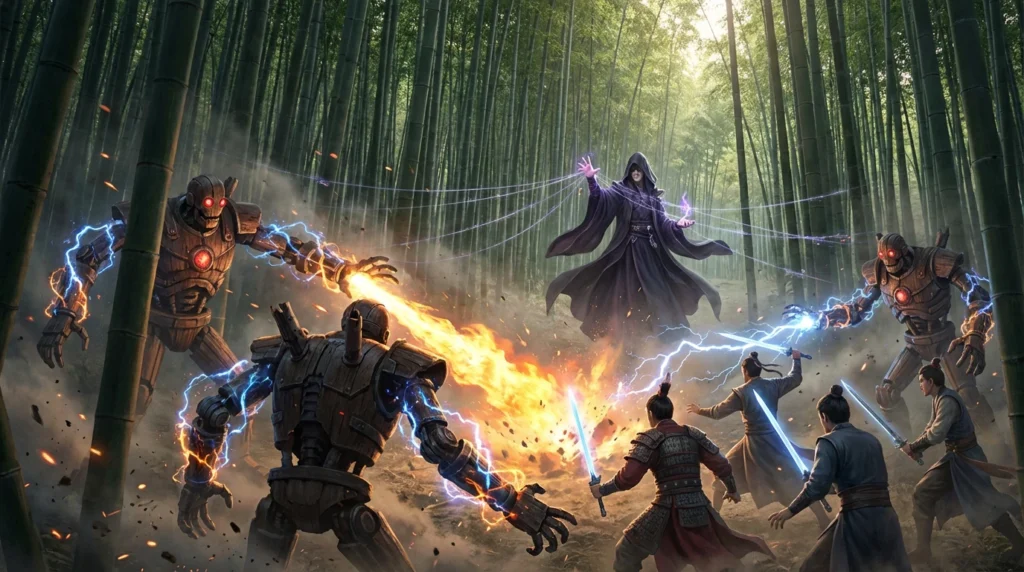
In many stories, we see the protagonist surrounded by hundreds of enemies. A Puppet Master thrives in this environment. They can release waves of low-tier “suicide puppets” rigged with explosive talismans. These puppets don’t need to win; they just need to exhaust the enemy’s Qi. This attrition warfare is terrifying because the Puppet Master remains safely hidden, expending only resources while the enemy expends their life force.
3.2 The Elite Guardians
Beyond the swarm, every master has their “Trump Cards.” These are Spirit Puppets crafted with such perfection that they can rival cultivators of the same realm.
- The Tank: A massive construct made of indestructible metal, designed solely to absorb attacks.
- The Assassin: A shadowy figure made of void-wood, capable of stealth and striking vital points.
- The Spellcaster: A puppet embedded with multiple formation flags, acting as a mobile turret for long-range bombardment.
When a cultivator fights a Puppet Master, they are effectively fighting a balanced party of adventurers controlled by a single, unified mind.
3.3 The Ultimate Form: Body Integration
The pinnacle of Combat Puppetry is often depicted as the fusion of man and machine. Some masters, realizing the frailty of their own flesh, begin to replace their body parts with puppet mechanisms. In extreme cases, they transfer their soul entirely into a supreme puppet body, achieving a form of pseudo-immortality. They become the weapon itself, immune to pain, poison, and fatigue.
4. Famous Tropes and Variations in Fiction
At Daoismer, we have translated numerous stories featuring these archetypes. You might recognize a few common tropes:
- The Inheritor: A weak protagonist finds an ancient Puppet Sect’s manual and a damaged, high-level puppet bodyguard that carries them through the early realms.
- The Corpse Refiner: A darker variant of the puppeteer who uses the actual bodies of powerful cultivators. They don’t build; they repurpose. This adds a layer of psychological horror to the story.
- The Mechanist: A more modern take, often found in novels that blend Sci-Fi with Cultivation. These puppets might look like mechas or robots but are powered by Spirit Stones.
Conclusion: The Dao of Creation
The Puppet Master represents a unique philosophy in the cultivation world. While others seek to conquer the heavens through personal strength, the puppeteer seeks to conquer through creation and ingenuity. They are the engineers of the cultivation world, proving that with enough preparation and resources, even a mortal can kill a god.
Whether you love them for their strategic brilliance or hate them for their cowardly attrition tactics, there is no denying that the art of puppetry adds a rich, tactical layer to Xuanhuan Novels.
Are you looking for your next addiction? Check out our latest translations of puppet-master novels at Daoismer.